A cracked windshield is one of those problems that feels small right up until it isn’t. You get a pebble strike on the freeway, it leaves a dot and a little white star, and you keep driving. Then a cold night and a hot defroster cycle stretch that star into a line, and a week later you have a creeping fracture that cuts through your field of view. I have seen that exact pattern play out so many times that I can usually predict how it will spread based on where the chip started, how deep the crater is, and whether the car sleeps outside. The right time to act is earlier than most people think, and that’s where mobile auto glass service earns its keep.
I’ll walk through how to tell if you need a repair or a full windshield replacement, what mobile service actually looks like on a driveway or in an office parking lot, and how to make sense of an auto glass quote. I’ll also share the trade-offs that are rarely explained: aftermarket vs OEM glass, sensors and calibrations, insurance rules that vary by state, and the small installation details that affect whether your new glass stays quiet and watertight.
When a chip is still a chip, and when it’s a windshield replacement
The decision point is simpler than it seems. Most small chips and short cracks can be stabilized with resin injection if they meet three conditions. The impact point must be smaller than a pencil eraser, the body of the crack must be shorter than a credit card’s long edge, and the damage must be outside the driver’s primary line of sight. That last part matters because even a perfect repair can leave a faint mark. If you can trace the flaw with your fingernail and it lies right where your eyes rest on the road ahead, you won’t love the result.
There are edge cases. I have repaired a six-inch crack that stopped cold and never spread, and I have replaced a windshield for a tiny bullseye that kept branching in summer heat. Distance from the edge is another factor. Cracks that reach the black ceramic frit near the perimeter are more likely to “run,” especially on rough roads. If a crack starts within two inches of the border, I tell people to plan on a windshield replacement. It is not just about looks, it’s about the windshield’s role in the car’s structure. The glass and the urethane adhesive form part of the safety cage that keeps the roof from collapsing in a rollover and helps airbags deploy against a firm surface. A heavily cracked windshield loses stiffness.
Mobile technicians are trained to make this call on site. Good ones carry gauges for pit size and mirrors to check the legs of a star break. If the tech proposes a repair for a crack longer than six inches or a break that radiates in several directions, that is a red flag. That kind of damage rarely behaves, and the money spent on a repair can’t be credited toward a later replacement.
What mobile service actually entails
When people search for “auto glass near me,” they’re often worried about time off work, weather, and whether a tech can to come to a gated driveway or a downtown garage. Mobile service exists to solve those problems. A well-equipped van carries more than a pane of glass. Expect suction cups and lifting frames, a set of trim removal tools and clip assortments, a calibrated caulking gun for urethane, primers and cleaners that match the adhesive, and at least a basic Advanced Driver Assistance System (ADAS) calibration kit.
The setup is fairly routine. The technician confirms the part number and tint band, checks for rain sensors or heated wiper park, and inspects the pinch-weld around the old glass for previous repairs. The cowl panel comes off, wiper arms are marked and removed, and the top and side moldings are loosened or replaced depending on the design. A long, thin cutting wire is fed through the urethane bead and worked around the perimeter to release the glass. In tight spaces, a powered cold knife does the job. The key is to preserve the paint on the pinch-weld. If the urethane takes paint with it, the metal needs primer, otherwise rust can start under the new glass.
The bonding steps are where quality shows. The tech dry fits the new windshield to confirm gap and alignment. Primer is applied to the glass and sometimes to the body, then a fresh bead of high-modulus urethane is laid in a continuous triangle. The height of that bead matters. Too low, and you get wind noise and leaks; too high, and the glass rides above the trim and looks wrong. With two handles, the glass drops in one clean motion, lands on the setting blocks, and is pressed evenly. Proper contact is checked around the edges. Reassembly is the reverse, with new clips where needed.
Cure time depends on temperature, humidity, and the specific urethane formula. Most products quote a safe drive-away time from 30 minutes to two hours for cars with passenger airbags. In winter, or at high altitude, add buffer. A careful tech will leave a sticker on the glass and explain it. They’ll also ask you to avoid car washes for a day. High-pressure jets can lift a fresh molding and create a path for water before the urethane has fully cured.
Sensors, cameras, and the calibration question
Ten years ago, a windshield was a shape and a shade. Now it often carries the forward camera for lane keeping, a rain sensor, a heated area where the wipers rest, and an antenna grid for the radio or defroster. That complexity affects both the price and the time required.
If your car has a camera behind the mirror, plan on ADAS calibration. There are two flavors: static calibration using a pattern board set at a measured distance on a level surface, and dynamic calibration that happens during a test drive at specific speeds on well-marked roads. Some vehicles need both. Mobile teams can do dynamic calibration almost anywhere, but static boards require space and controlled lighting. If a tight parking structure is your only option, ask whether the tech can complete calibration later at a shop. Skipping it is not harmless. A misaligned camera can make your lane departure warning trigger late or early, and may fault-out entirely, disabling related systems.
Rain sensors reattach with gel pads or optical tapes, and they need a clean, dust-free bond. I’ve seen false triggers when a sensor sits on a bubble. The result is wipers that drag across a barely wet glass or refuse to start in a downpour. A careful installer will inspect for bubbles and, if the pad is compromised, replace it instead of reusing the old one.
OEM, OEE, and aftermarket glass explained without the noise
The terms get thrown around loosely, and some sales pitches promise what the supply chain can’t deliver. OEM means the glass came from the same manufacturer that supplies the automaker and is labeled under the automaker’s brand or approved label. OEE means Original Equipment Equivalent, made to the same specifications by a sanctioned manufacturer, usually without the automaker logo. Aftermarket can mean a third-party producer that reverse-engineered the part.
For a plain windshield without cameras or special coatings, high-quality OEE often performs as well as OEM. Optical distortion is where cheaper glass shows its flaws. If you look through the passenger side and the painted lines on the road shimmer or bend as you move your head, that’s a sign of uneven thickness or poor lamination. Acoustic interlayers also vary. Premium windshields use a sound-damping PVB layer that quiets wind rush, especially above 60 mph. If your car came with acoustic glass, make sure the replacement matches. Ask directly.
On vehicles with HUD or embedded heaters, OEM is safer. The reflectivity and refractive qualities have to match the projector, otherwise the image ghosts. Likewise, some automakers tie the camera mount design and frit shading to OEM glass. The wrong mount can put the camera a millimeter off target. That doesn’t sound like much, but at distance it matters.
What to expect from a windshield quote
A good auto glass quote breaks out more than the glass. You’ll see line items for moldings and clips, labor, mobile service, disposal, ADAS calibration if needed, and sometimes primers and shop supplies. The range is wide. A basic sedan without sensors might come in between 250 and 450 dollars in many regions, while a late-model SUV with a heated windshield and camera calibration can land between 800 and 1,500 dollars. Luxury brands with HUD can go higher.
If you request a “windshield quote” or “auto glass quote” online, be ready with your VIN. That number anchors the part selection and reveals whether your car has solar coatings, condensation sensors, or green vs blue shade bands. Without the VIN, shops often hedge with a low base price and then call later with add-ons. That frustrates everyone. With the VIN, you’ll get a more accurate figure from the start.
Insurance changes the math. Many policies cover auto glass replacement with a deductible, and several states offer zero-deductible glass coverage. In those states, a cracked windshield can be replaced at no cost to you if you go through insurance. The trade-off is choice. Some carriers steer work to networks and default to repair when possible. If you want OEM glass, ask whether your policy allows it for vehicles under a certain age, or for cars with ADAS. Some do, some don’t. If you choose to pay out of pocket for OEM when your policy allows aftermarket, you can still file, but expect to cover the difference.
How to choose among the “auto glass near me” options
Search results flood you with promises: same-day service, lifetime warranty, certified technicians. Those words are only useful if the shop backs them up. Look for technicians certified by the Auto Glass Safety Council (AGSC) or trained on the adhesive brand they use. Ask what urethane they install, and specifically what the safe drive-away time is for your vehicle. Listen to how they describe ADAS calibration. If the answer sounds like “the light will go off by itself,” keep looking.
Response time is worth money when your windshield is actively spreading a crack across your view, or when the glass is shattered but still in place. A company that can give you a two-hour window and a name of the tech earns trust. When that person arrives, watch the first ten minutes. If they glove up, cover your dashboard, and inventory parts before cutting, they care about the work product. If they tug on moldings with bare hands and lay trim on the ground, they may rush the rest.
Mobile service is only as good as the environment. Wind and rain complicate the adhesive bond and contaminate the surfaces. A conscientious installer will reschedule in heavy weather unless there is a covered spot available. I carry pop-up tents for light drizzle and shade, but on a windy day with dust in the air, I won’t start. That pause saves a comeback later.
The small mistakes that cause big comebacks
Glass work seems straightforward until you have to fix someone else’s leak. The most common issues I see after a quick windshield replacement fall into a few patterns.
Wind noise at highway speeds often traces back to a gap at the A-pillar molding or a bead that didn’t make full contact in the upper corners. On a test drive, the sound locates itself near the sun visor. If you run painter’s tape across the top seam and the noise vanishes, the bond line needs attention. Water leaks show up during a car wash or after a storm. They can drip behind the glove box or wick into the carpet at the kick panel. A smoke machine makes the diagnosis easy, but you can do a crude test with a garden hose while someone watches inside with a flashlight. Slow, steady water across the top edge reveals most paths.
Camera faults are becoming more common. If the tech performs a dynamic calibration but the car’s system still shows a code, check the windshield’s black frit border around the camera. A small misalignment or a missing shade patch lets too much light in and confuses the sensor. I have also seen unseen dents on the pinch-weld from a previous repair, which prevent the glass from seating at the right angle. In that case, flattening the high spot and rebonding the glass fixes both the cosmetic and the electronic issues.
Interior messes are another tell. Tiny shards hide in defroster vents after a break. A vacuum with a narrow crevice tool and a soft brush prevents rattles later. A careful tech also wipes the headliner and the dash to remove any primer overspray. You shouldn’t get your car back smelling like solvents for days. If you do, it usually means the wrong primer was used or the cure wasn’t complete before you drove.
Mobile service at work, at home, or on the road
One reason “auto glass near me” queries work so well is that the nearest option can be your driveway or your office parking lot. I’ve replaced glass in all sorts of locations: a curbside meter in the shade of a maple tree, a warehouse dock between forklift runs, and a small apartment carport where the wind tried to steal every clip. The patterns don’t change much, but a few site considerations help.
Pick a flat spot. Calibration needs a level surface, and even the bonding stage benefits from the car sitting square. Give the tech space to open doors and set tools safely. If your building requires security clearance, meet at the gate and call ahead, otherwise a missed appointment wastes both sides’ time. If the weather is questionable, ask the scheduler whether the van carries a canopy and whether the urethane they use cures in low temperatures. Some do, with longer drive-away times; others require a minimum ambient temperature. Those answers separate pros from hobbyists.
If you’re traveling, mobile service can keep you moving. I’ve helped a family on a road trip whose windshield took a baseball-sized rock in Wyoming. The glass held, but the inner layer crazed and the view turned milky. We met them at a hotel, swapped the glass the next morning, and calibrated the camera on a four-mile stretch of frontage road with clear lane markings. They were back on the interstate before checkout. The part we could not control was availability. Rural areas may not have the exact windshield in stock. A day’s delay is sometimes unavoidable. Bigger vans carry common patterns for the most popular trucks and SUVs for that reason.
How to protect your new windshield and your warranty
Most shops offer a written warranty against leaks and defects, and many offer a lifetime guarantee for workmanship. Read the exclusions. Impact damage is not covered, obviously, but some clauses about off-road use or aftermarket accessories can trip people up. If you have a light bar or roof rack that whistles past 60 mph, make sure wind noise claims are judged fairly. I ask customers to do a quick highway run the day after installation and then again a week later. Early feedback catches almost everything.
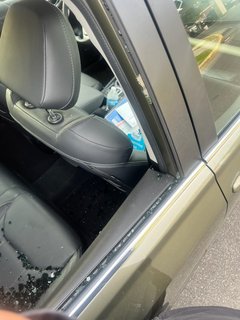
There are a few simple habits that extend the life of your new glass. Avoid slamming doors with all windows up, especially in the first 24 hours. The pressure spike can lift an uncured corner. Keep the cowl drain area free of leaves. Water that pools at the base of the windshield finds a way in eventually. Replace your wiper blades. Old blades carry grit that scratches a fresh surface and, more importantly, they chatter and skip, which puts uneven strain on the glass edge. A fresh set costs little and helps visibility through the first storm after the install.
Parking helps too. Shade reduces thermal swings that stress tiny flaws. On frosty mornings, let the cabin warm for a minute before running the defroster at full blast. That gentler gradient can keep a repaired chip from sprouting legs. These behaviors are not magic shields, but they reduce the odds of the next rock turning into a long, wandering crack.
Making sense of cost vs convenience
There is a fair question about whether to drive to a shop instead of booking mobile service. A storefront can control dust and temperature and may have better aiming equipment for complex ADAS calibrations. Mobile service wins on convenience and time. If the car is safe to drive and your schedule is flexible, a shop visit can be the better choice for vehicles with head-up displays or multiple radar and camera systems. For a common sedan with a rain sensor, mobile service in your driveway is entirely appropriate and delivers the same quality when the tech follows best practices.
Pricing reflects those differences. Some shops discount in-house work and charge a modest mobile fee. Others price them the same and absorb travel costs as part of service. If a mobile quote is significantly lower than the pack, ask why. The cheapest option sometimes skips moldings or reuses clips that should be replaced. That can save 20 to 60 dollars today and create a rattle a month later. A midline price from a company that names the glass brand, the urethane type, and the calibration method is more reliable than a bargain with vague parts and promises.
A short, practical checklist for your appointment
- Share your VIN to get an accurate auto glass quote and the correct windshield part. Ask whether ADAS calibration is required, and if so, how and where it will be performed. Confirm the glass type (OEM, OEE, or specific brand) and whether acoustic or heated features match. Check the safe drive-away time and plan your day around it. After installation, test wipers, rain sensor, and camera-based features on a short drive.
When to repair, when to replace, and when to wait
Sometimes the right answer is to monitor a chip and do nothing for a few days. If a small pit sits high on the passenger side, far from edges, and you’re in a mild climate, repair can be scheduled later without much risk. If, on the other hand, the chip shows a little white ring when you look from the side and the car lives outdoors, temperature swings will work on it. I have watched a half-moon chip crack on a hot afternoon as a driver pulled out of a shaded garage and hit direct sun for the first time that day. In those conditions, get a repair within 24 to 48 hours. The resin flows better and bonds cleaner before dust and water get in.
For replacement, urgency follows safety. A long crack that bisects your view is a citation in many states and, more importantly, a hazard. If the glass is shattered and only the inner layer holds it together, avoid driving. The structure is compromised, and a pothole can turn the inner layer into loose fragments. Mobile service shines here because you can keep the vehicle parked until the tech arrives, avoiding an unsafe trip.
Waiting makes sense only when parts availability or weather blocks a proper install. I would rather tape a temporary plastic sheet over a broken side window and return in 48 hours with the right glass and clips than jam a near fit that whistles forever. Good shops will tell you the truth about lead times and offer safe stopgaps.
A final word on finding the right help, fast
If you need windshield replacement, start with a focused search like “windshield replacement near me,” then add your city for better local relevance. Click through to a couple of providers and request a windshield quote with your VIN. Compare how they respond. The company that asks smart questions about features, gives you a clear price, and explains calibration is the one that will treat your car well. If you prefer to pay out of pocket instead of filing insurance, say so and ask whether there is a cash discount. Many shops pass along savings on card fees or network billing.
Mobile service exists to fit life’s messiness. Cars pick up chips on vacations, on commutes, and in front of your house when a landscaping truck drops gravel. A seasoned auto glass technician can meet you where you are, replace or repair the glass, and hand the keys back with clean hands and working sensors. The work looks simple, but the details matter. Choose the team that acts like they know that, and your new windshield will be quiet, clear, and solid for Conway car window repair years.